Inventories
Learn how to manage inventories as one type of reference data
1.What Are Inventories
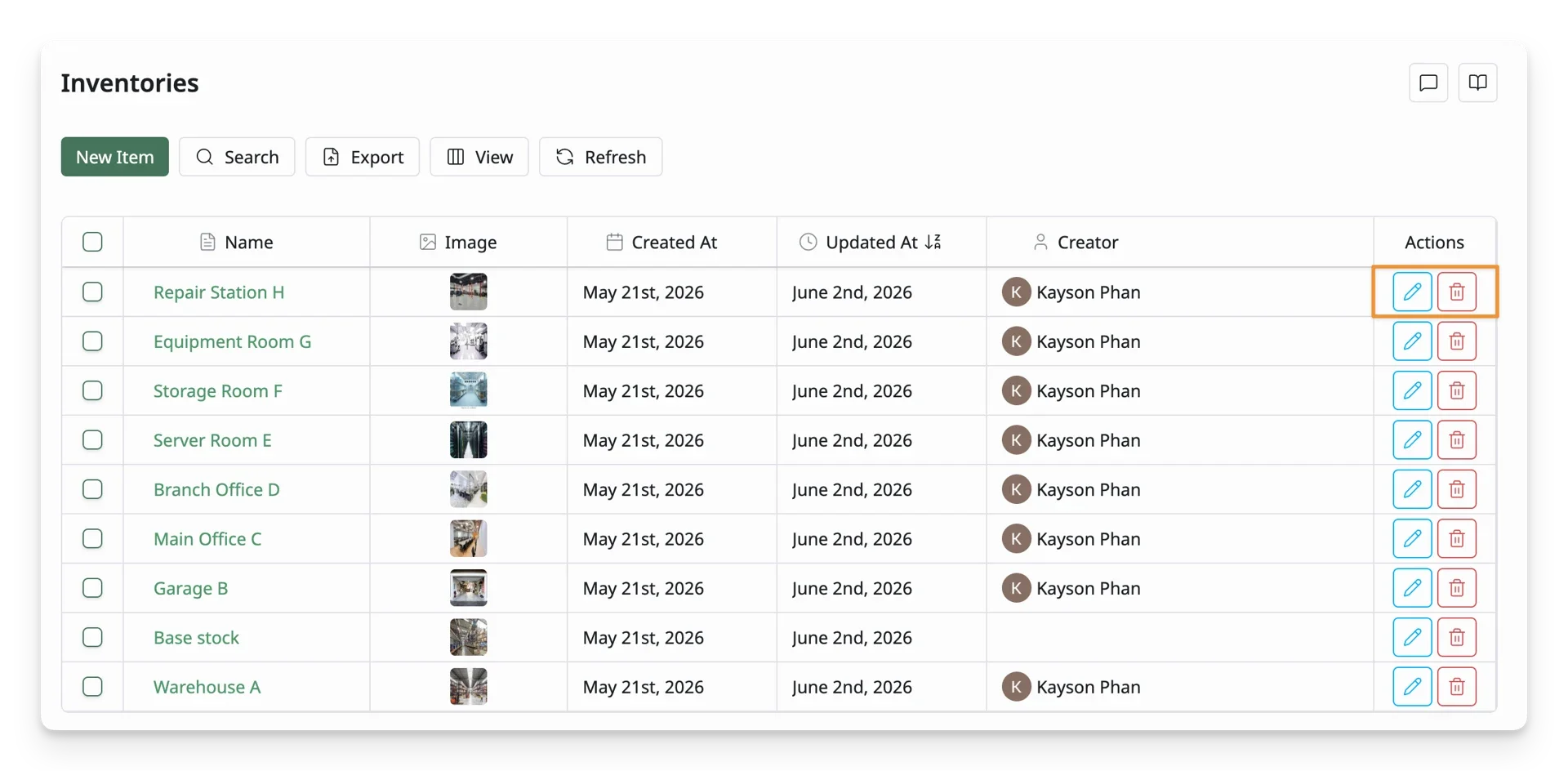
Inventories are one type of reference data used to track assets that are available or awaiting deployment. They represent storage areas where assets are kept until needed. Inventories are often used for spare or unused assets. By default, “In Stock” resources are placed in the “Base Stock” - the default inventory in AssetLoom.
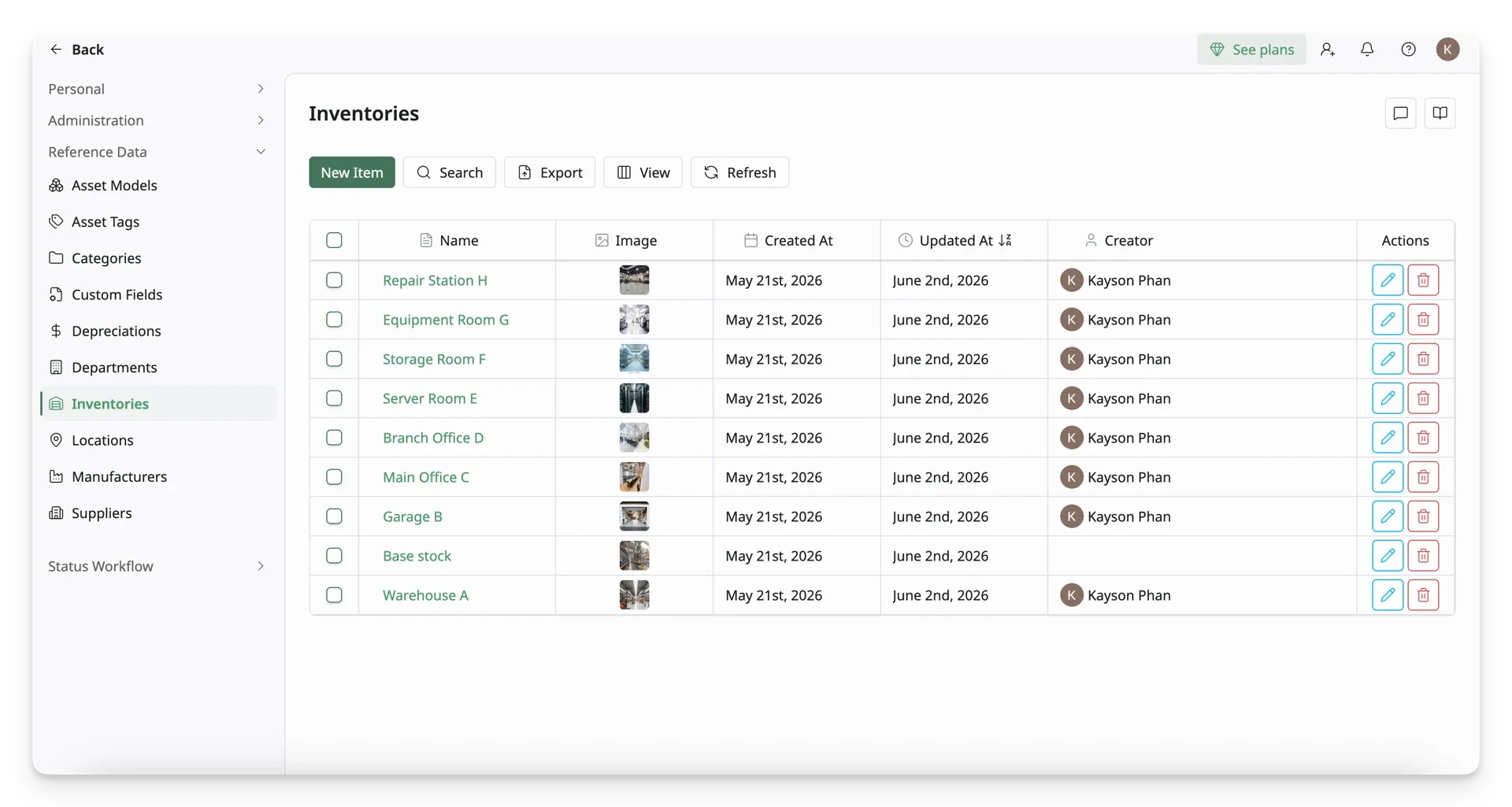
The Inventory is located under the Reference Data section on the Personal Settings page. This page displays all inventories in the system and serves as the central place for managing them.
2. How To Set Up Inventories
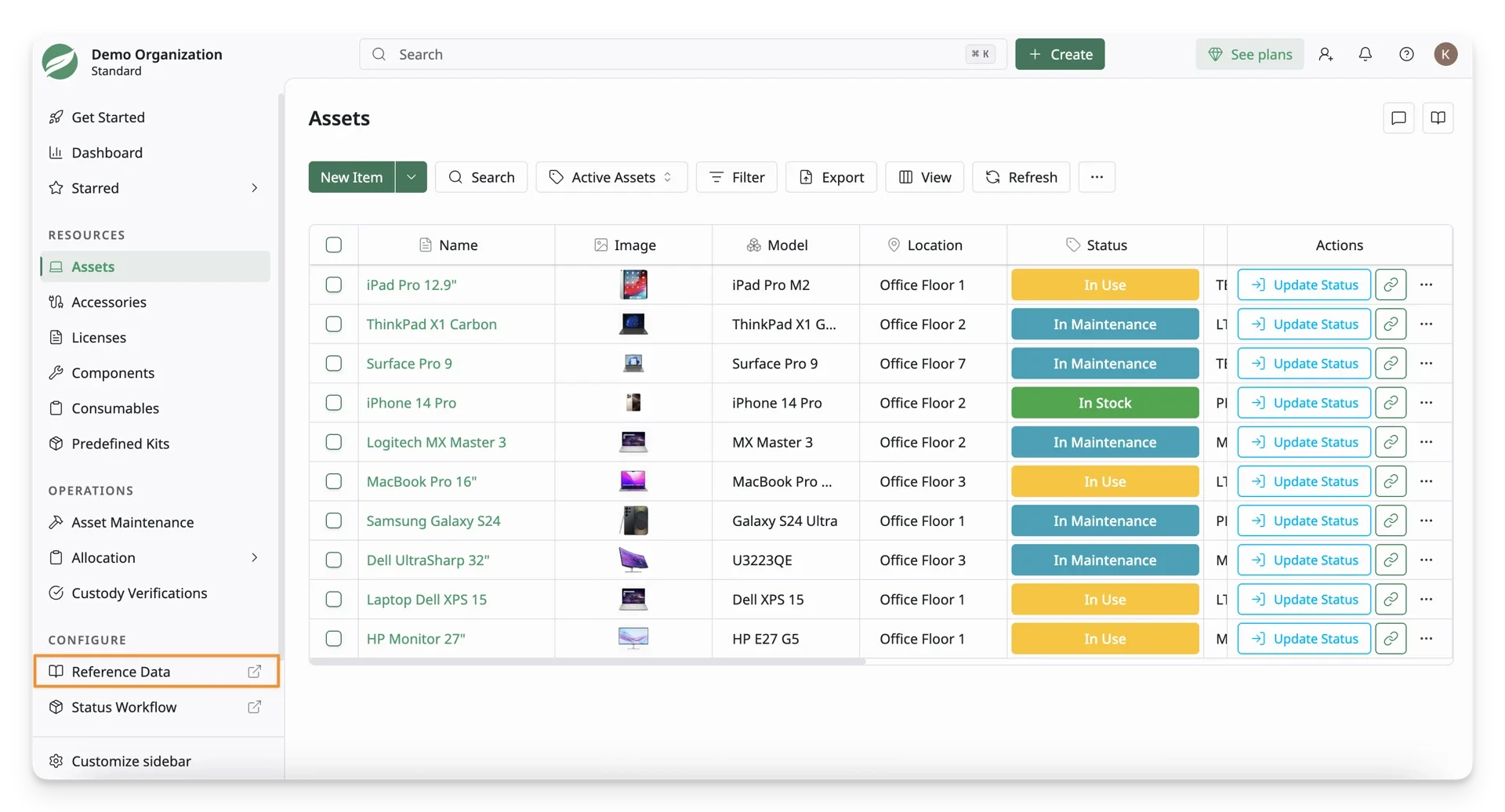
Step 1: Navigate To The Inventories Screen
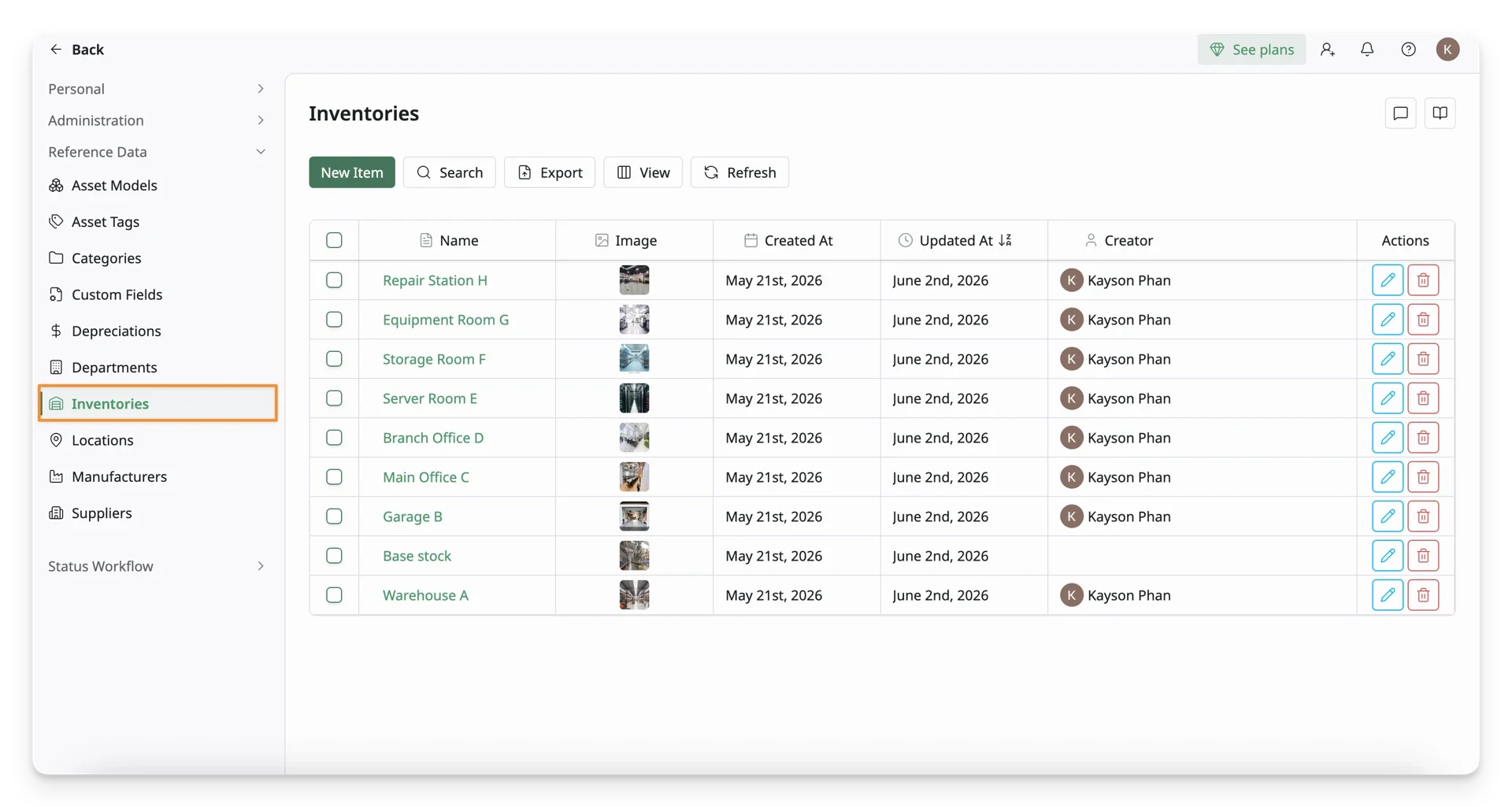
Select the Reference Data in the Configure section on the left-hand side menu sidebar.
On the left menu sidebar, you can view the Inventories under the Reference Data.
Step 2: Fill In The Inventory Form
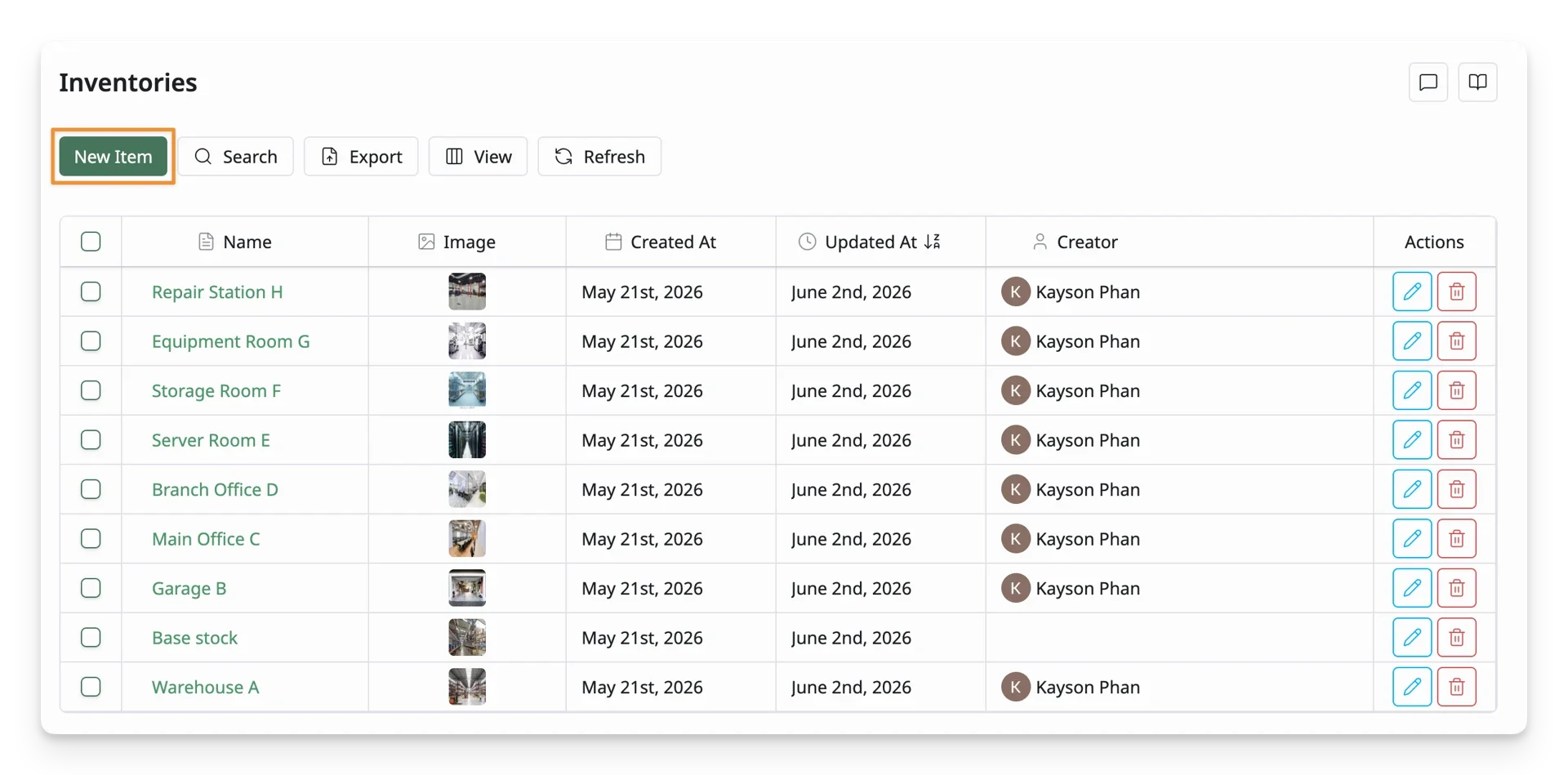
Click the “New Item” button to open the Inventory Form
Now you can fill in the Inventory Form. Below are some key fields:
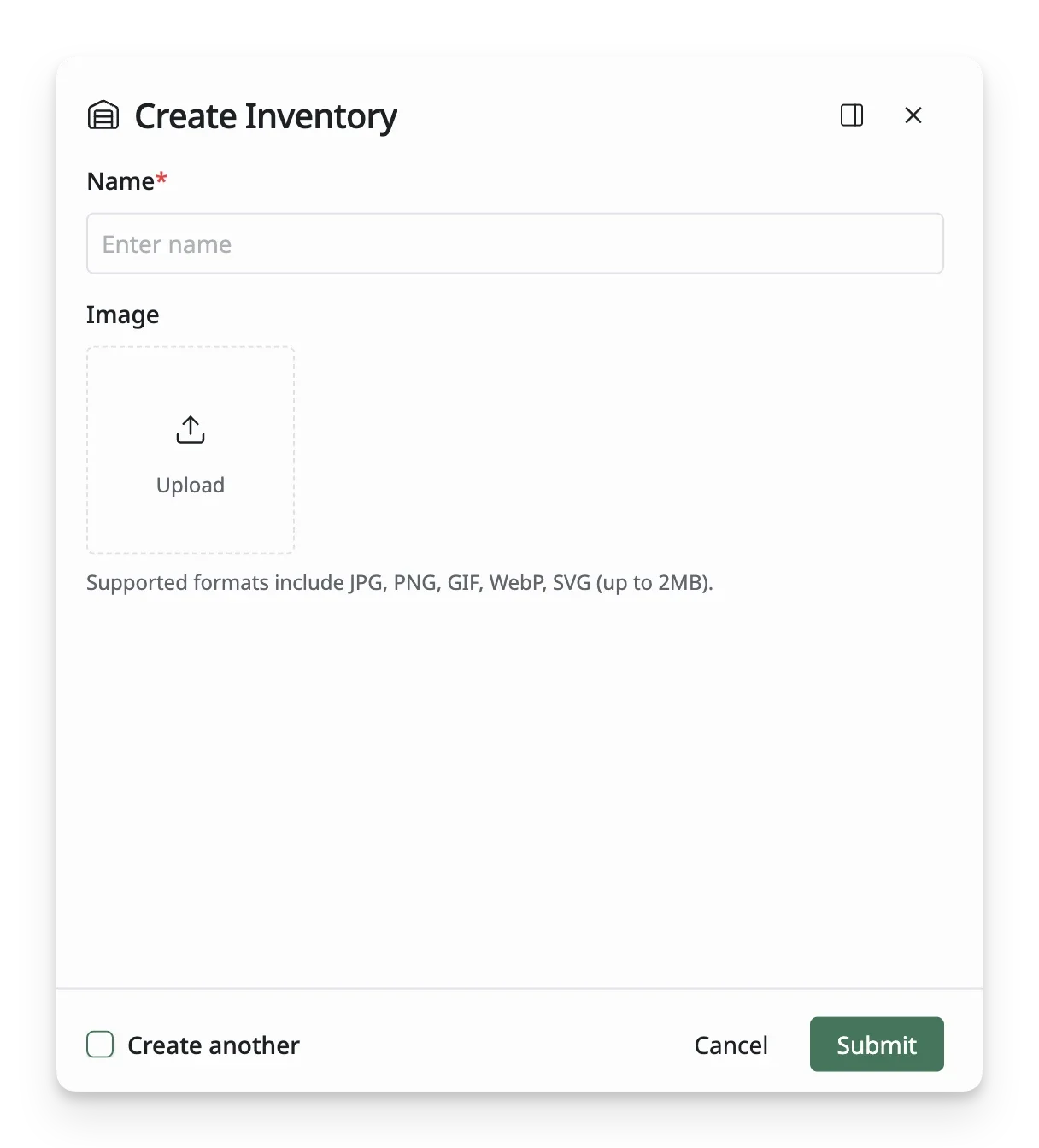
- Name: Enter the name of the inventory or storage location, such as Warehouse A, Garage B, Main Office C, or Branch Office D.
- Image: Add a visual reference or icon to help users quickly identify the inventory location.
Step 3: Save The Inventory
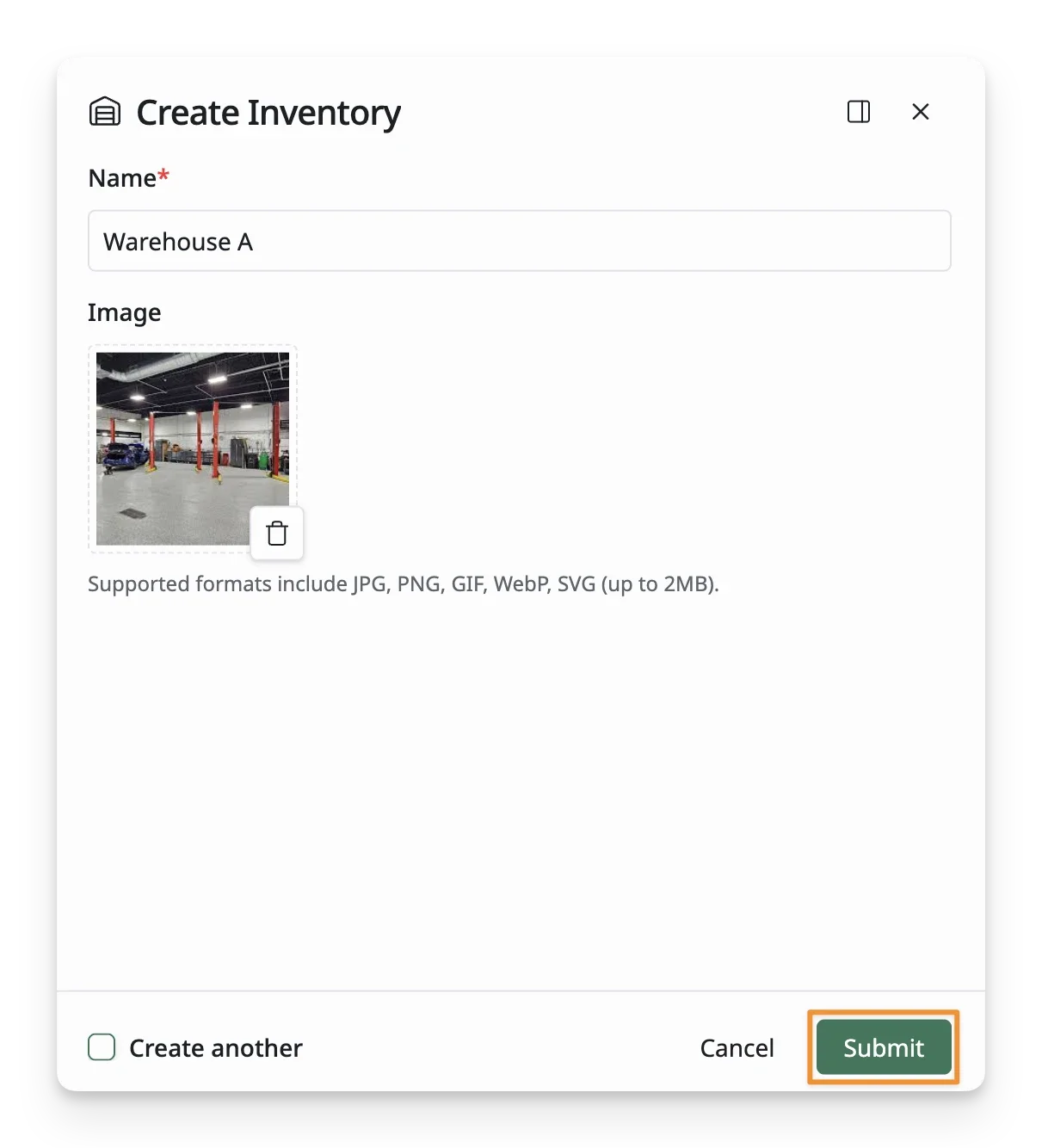
Once all required fields are filled, click the Create button at the bottom of the form to save the inventory to the system.
Step 4: Review Your Inventories
After creating the inventories, you will be redirected to the Inventory List, where you can view and manage all your inventories. If any information needs to be updated, simply click on the inventories and modify the details as needed.
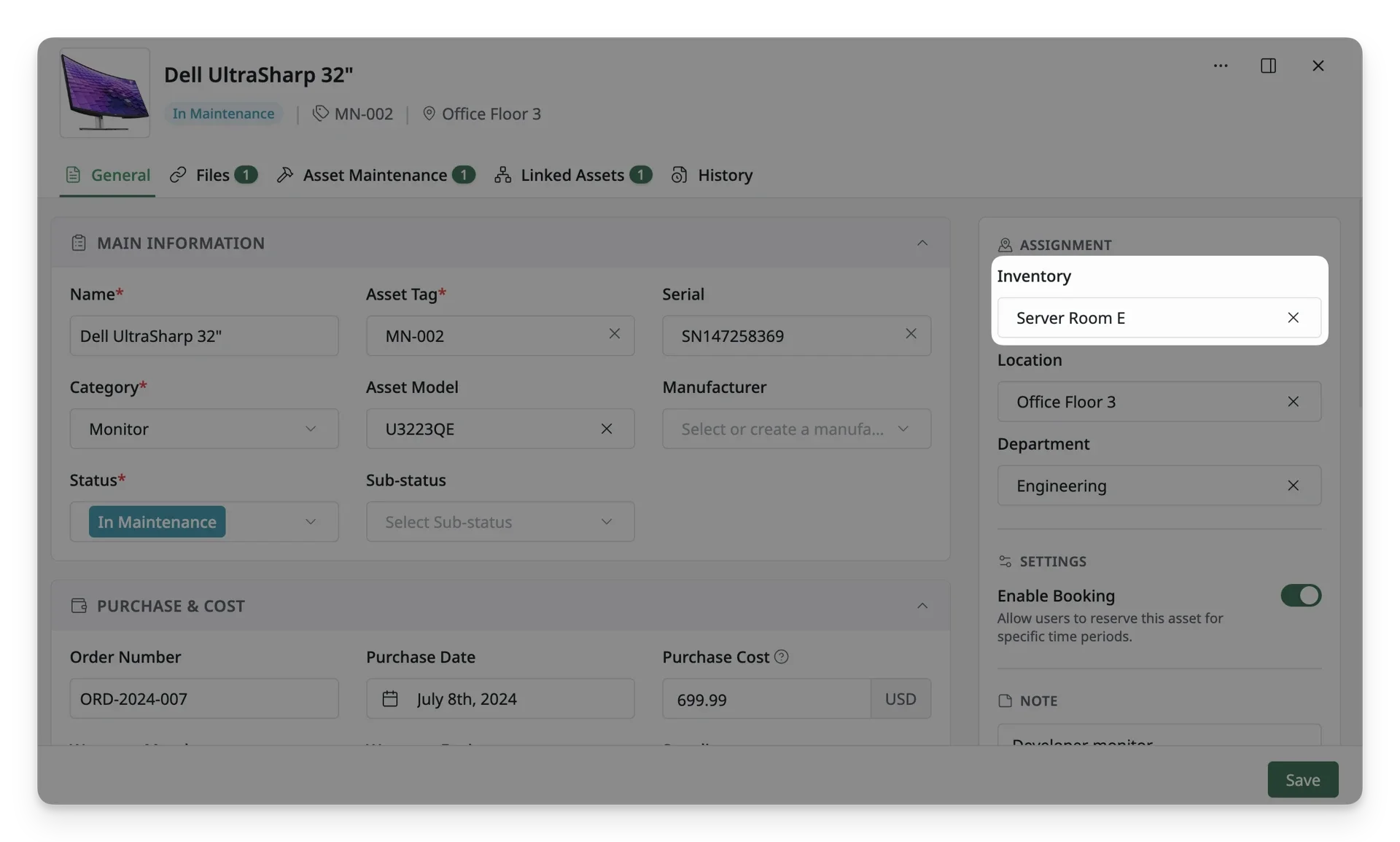
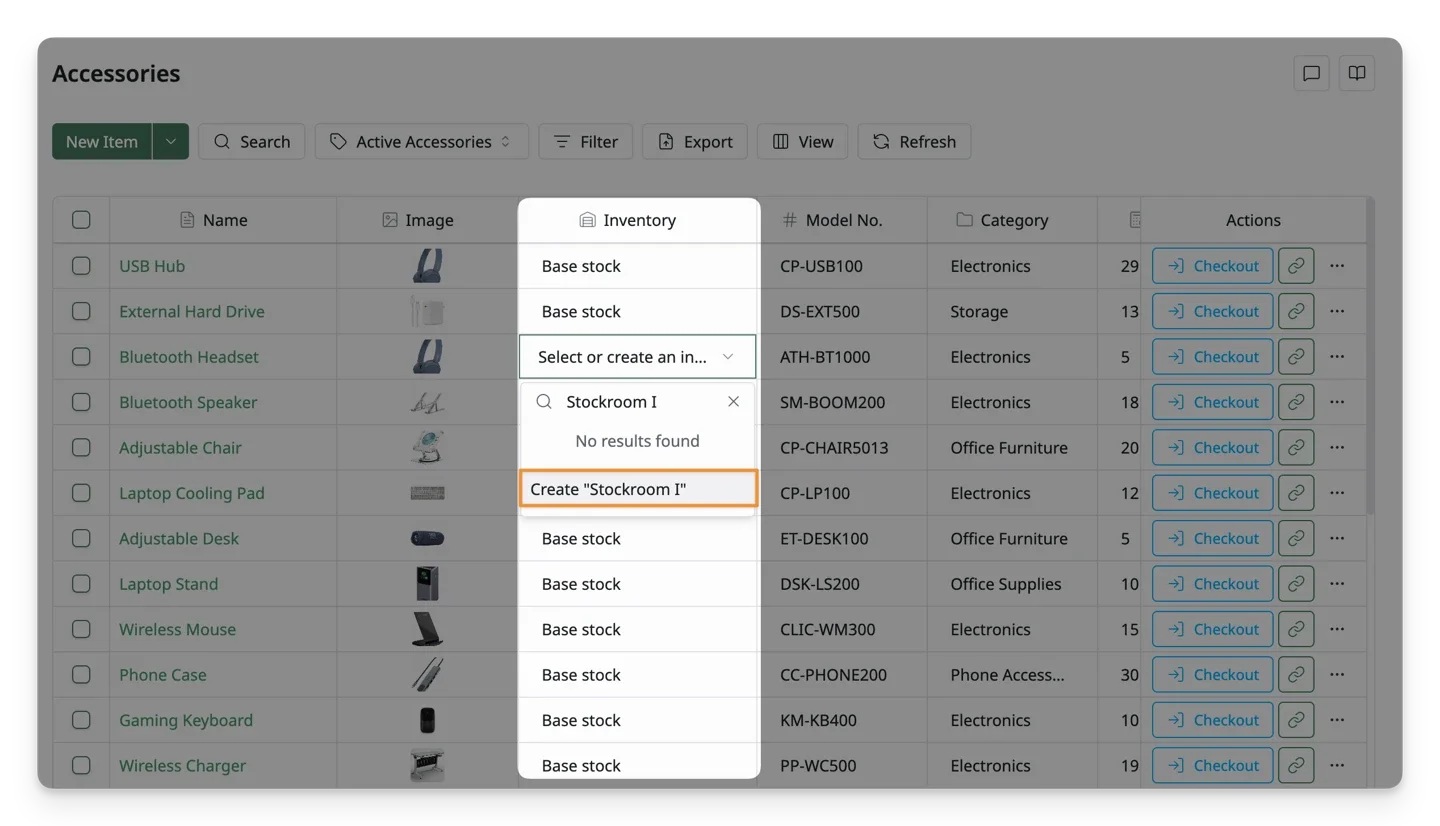
You can quickly create a new inventory in the Asset, Accessory, License, Component, and Consumable lists by entering one in the Inventory column.
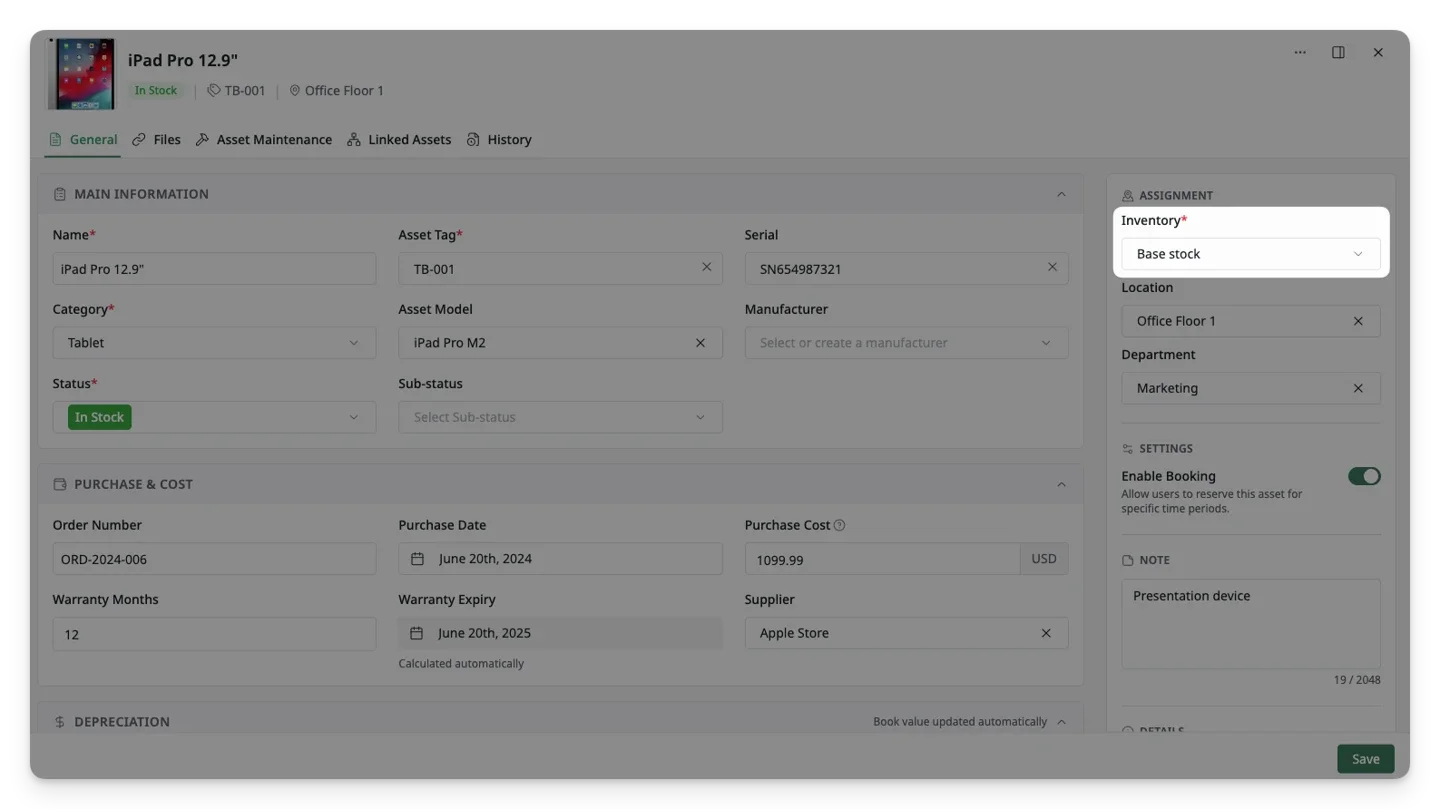
For these “**In Stock**” assets, they must belong to an inventory; the default inventory in AssetLoom is Base Stock. You can change the inventory for these assets.
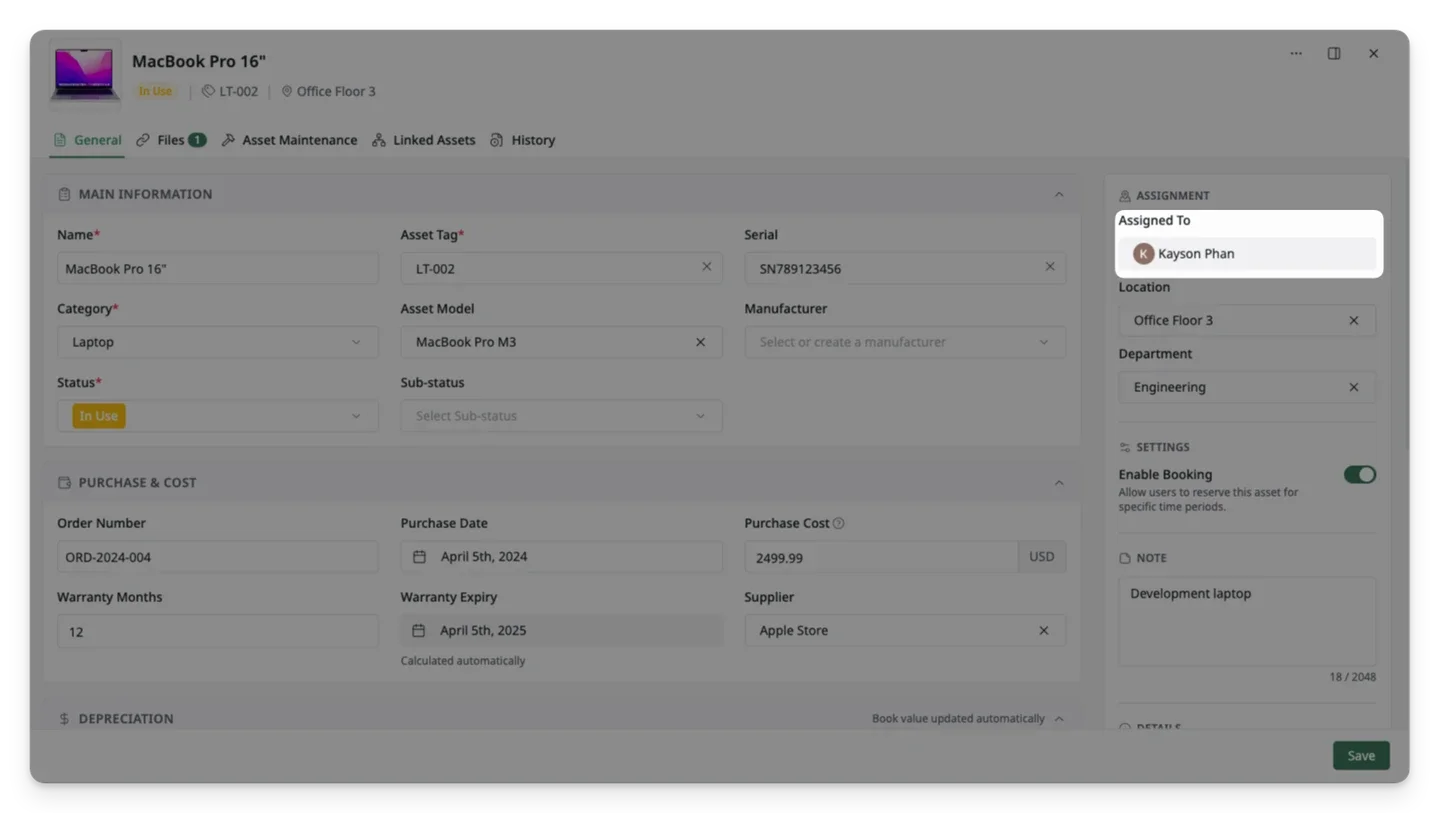
For assets transferred to In Use status, meaning they are no longer stored in stock, this field will be replaced with User/Asset they are assigned to.
3. Actions With Inventory List
After creating the inventories, you can perform some actions with the list:
- Edit: Update the Inventory’s details
- Delete: Remove an inventory that is no longer needed.